
The Real-World Compliance Pain Point No Bamboo Cutlery Buyer Talks About
Walk into any major port warehouse in Los Angeles or Hamburg in 2026, and you’ll see stacks of uncertified disposable bamboo cutlery sitting in customs detention. Last year alone, 31% of unvetted bamboo tableware shipments bound for the EU got held up for 3+ weeks, and 19% of those got sent straight back to the supplier. For wholesale food packaging buyers, this isn’t a minor hiccup—it’s lost peak season orders, angry restaurant clients, and thousands of dollars in wasted freight.
This isn’t a hypothetical risk. I sat across from a US food service distributor last quarter who lost a $120k national chain contract because their bamboo cutlery supplier couldn’t produce a valid LFGB test report when the brand audited their supply chain. That’s why certifications for bamboo cutlery aren’t just fancy logos on a spec sheet—they’re the actual guardrails that keep your B2B supply chain running.
Break Down Each Certification Like A Seasoned Procurement Veteran
Let’s skip the generic official jargon and talk about what each of these four certifications actually means for your bottom line:
- FDA 21 CFR Part 176.170: This is the baseline ticket to sell bamboo cutlery in the US and Canada. It tests for heavy metal leaching when the bamboo touches hot, greasy food up to 212°F. The hard rule no one tells you: lead can’t go over 0.1mg/L, and any bamboo product that skips this test will get flagged at US customs 9 times out of 10.
- LFGB Sections 30 and 31: This is the EU’s stricter, no-nonsense standard. Unlike FDA, it runs three separate immersion tests at different temperatures, and formaldehyde can’t show up at all above 0.01mg/dm². I’ve seen so many buyers get burned here—they buy FDA-only bamboo cutlery thinking it will work for Germany, and it gets rejected immediately.
- FSC 100% / FSC Mix: This isn’t a food safety rule, but it’s the one that 7 out of 10 big retail and zero-waste brands now demand. It proves every single stick of bamboo in your cutlery didn’t come from a cleared old-growth forest, and you can trace the raw material all the way back to the hillside plantation.
- BSCI Code of Conduct: This is the social compliance check that keeps your brand off the bad press lists. It verifies the factory workers making your bamboo forks get paid a living wage, work safe hours, and aren’t working in unventilated, dusty workshops that violate basic labor rules.
Side-by-Side Certification Reference Table
| Certification | Primary Market | Non-Negotiable Test Rule | How Long It Stays Valid |
| FDA | USA, Canada | Lead leaching ≤0.1mg/L | 24 months |
| LFGB | EU, Germany, Switzerland | No detectable formaldehyde over 0.01mg/dm² | 12 months |
| FSC | Global eco retail chains | 100% traceable bamboo source | 60 months |
| BSCI | Global brand B2B buyers | No child labor or unsafe working conditions | 12 months |
No-BS Procurement Tips That Actually Work
After 11 years working with disposable tableware importers, these are the rules I tell every new client to follow:
Never settle for a supplier that only has 1 or 2 of these four certifications. If an eco friendly food packaging supplier can’t show you all four original, unexpired test reports, walk away. Don’t accept blurry screenshots of certificates—ask for the full PDF report, and cross-check the certification number on the official regulator’s website to make sure it’s not a fake.
For orders over 500,000 units of custom disposable food packaging, add a line in your contract that lets you send a third-party inspector to pull random samples from the production line for pre-shipment testing. This costs less than 0.5% of your total order value, and it will save you from losing six figures on a rejected shipment.
Real Buyer FAQs (These Are The Exact Questions We Get Every Week)
- Q: I already have FDA certified bamboo cutlery, can I ship it to France without LFGB?
A: No. French customs will randomly test 15% of all incoming bamboo tableware shipments, and FDA-only products almost always fail the high-fat food migration test. You will end up paying to ship it back.
- Q: Is FSC actually required, or is it just a marketing gimmick?
A: It’s not legally mandatory, but 68% of major EU supermarket chains and zero-waste brands now list FSC as a non-negotiable requirement to get on their approved supplier list. Skip it, and you lock yourself out of that entire market.
- Q: How much extra do these four certifications add to the per-unit cost?
A: Full certified production only adds 3-5% to the unit price of your bamboo cutlery. That tiny premium cuts your risk of customs detention, product recall, or client rejection by over 70%. It’s the cheapest insurance policy you can buy for your B2B business.
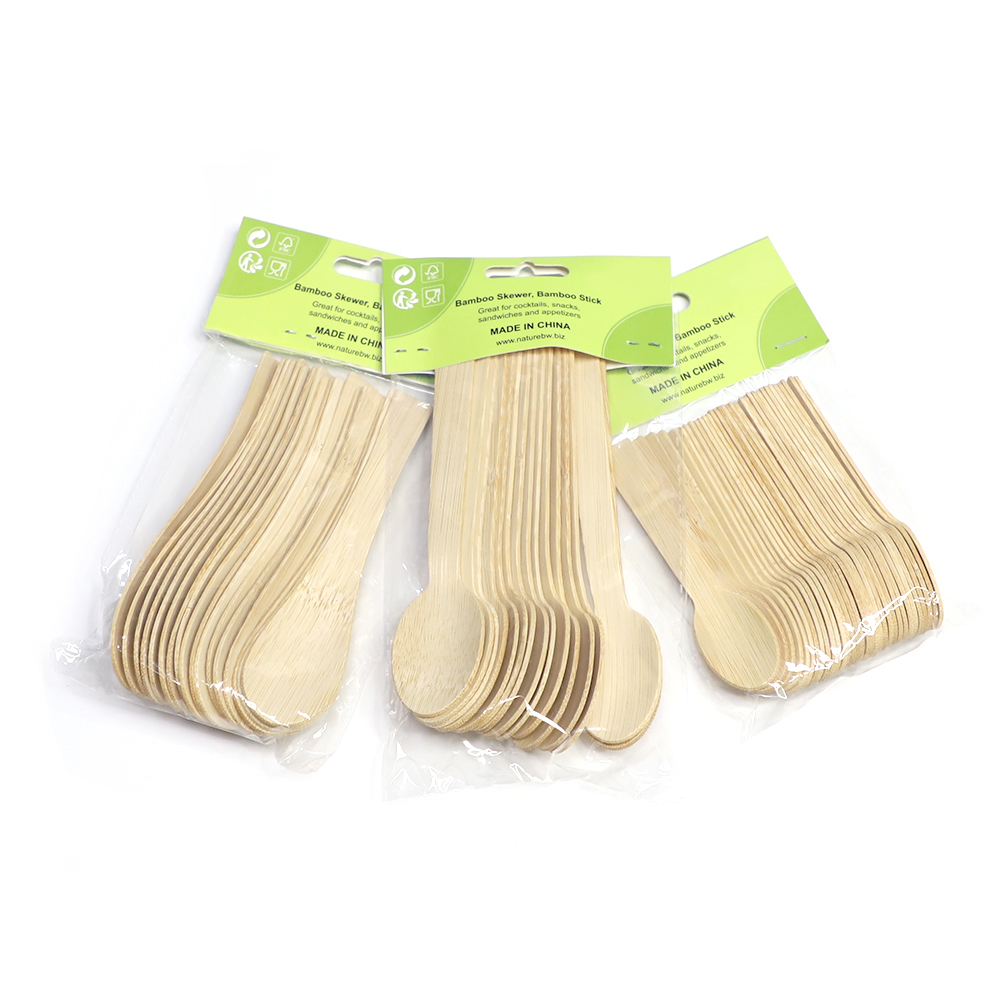
Why Hydeeco Stands Out For Certified Bamboo Cutlery
Hydeeco is a no-fluff compostable food containers manufacturer that keeps every single one of these four certifications fully up to date, no expired paperwork, no partial coverage. Our entire line of disposable bamboo forks, knives, spoons and custom bamboo cutlery sets passes every test requirement, no exceptions.
We offer Custom Size Available, Custom Printing Available, Low MOQ Support, OEM & ODM Service, and full Bulk Wholesale Supply for all global wholesale food packaging clients. No hidden compliance fees, no last-minute certificate delays, just steady, traceable eco-friendly food packaging that clears every major market’s rules on the first try.
Final Thought
At the end of the day, bamboo cutlery certifications aren’t about checking boxes. They’re about making sure your B2B supply chain doesn’t break when you least expect it. Skip the uncertified cheap suppliers, partner with a fully accredited team, and you’ll never have to deal with a customs warehouse full of rejected bamboo cutlery ever again.