
Trying to choose between bamboo cutlery and wooden cutlery? Both are way better than plastic — natural, comfy to hold, and help cut waste. But they differ a lot in growth, strength, and care.
I’ve used both for daily lunches, picnics, and cooking. Here’s the short, real difference.
Growth & Eco Impact
Bamboo is grass. It grows super fast — ready in 3–5 years, needs little water or chemicals. It also grabs lots of CO₂ while growing. Bamboo cutlery has a very low footprint.
Wood comes from trees like birch or maple. They take 20+ years. Even with good forestry, renewal is slow. Bamboo wins for speed and less land stress.
Strength & Feel
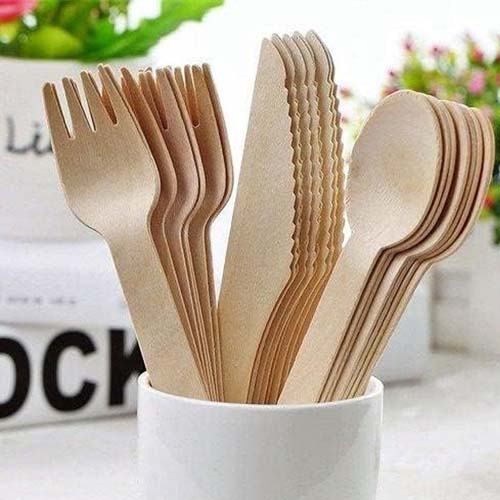
Bamboo cutlery weighs almost nothing and fits right into pockets or small cases. Forks stay strong enough to pierce big pieces, spoons hold their form with heavy scoops. It gives a little when pressed rather than snapping, and it manages quick changes from freezing cold to very hot foods smoothly.
Wooden cutlery carries real weight and a firm, dependable feel — ideal for mixing in pans or serving portions. Stronger woods resist dings and keep a clean surface, but gentler woods might develop tiny cracks or become scratchy after too much time in water.
Bamboo handles shifting moisture far more reliably.
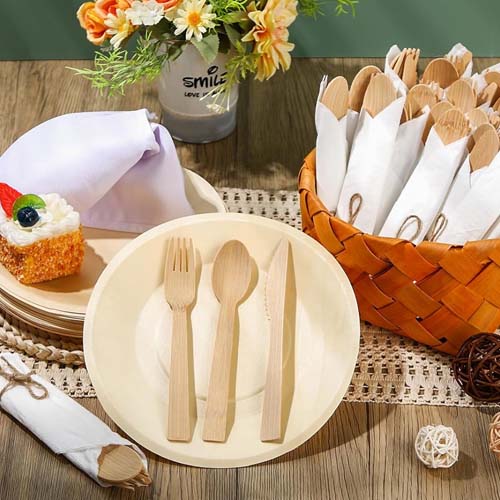
Look & Comfort
Bamboo: clean, pale, smooth — modern feel.
Wood: warm tones, unique grain — cozy and classic.
Quick pick:
- Travel a lot? Go bamboo cutlery.
- Want solid, timeless pieces? Choose wooden cutlery.
- Eco speed matters most? Bamboo usually wins.
Both beat plastic every time.
At Hydeeco we craft quality bamboo cutlery and wooden cutlery sustainably. Need custom engraving, sizes, or branding? We do it all. Message us — happy to make yours unique!