
Think of an Earth where the fork from your midday meal fades away in months, not millennia. This idea is taking root in real life—popping up at roadside snack stands, family cookouts, and company cafeterias everywhere. Bamboo cutlery and wooden cutlery have graduated from rare finds to key forces in overhauling disposable cutlery. Far beyond mere replacements, they signal a deeper societal turn to habits that restore instead of ruin.
The Breaking Point with Plastic and the Rise of Renewables
Last century’s plastic utensil surge promised ease: dirt-cheap production, identical shapes, and a false sense of harmlessness. The truth stings. In the United States, around 40 billion pieces get thrown away annually, with scarcely 1% ever recycled. Most hunker down in waste sites for more than 400 years or break into tiny plastic bits that pollute streams, fields, and even our food.
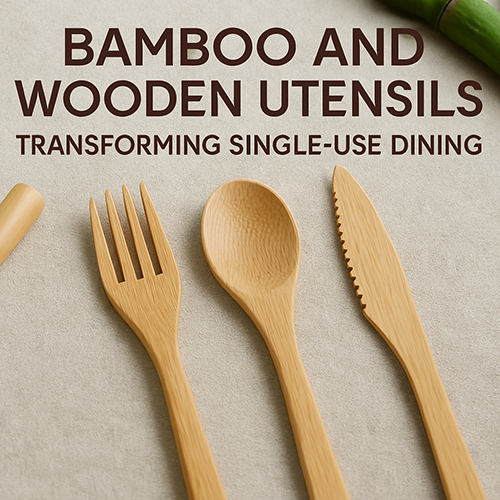
Bamboo cutlery reverses the damage. Reaching harvest-ready size in three to five years, this plant regenerates from its base without replanting and survives on plain rainwater, skipping all chemicals. One hectare pulls in 10 to 12 tons of carbon dioxide yearly, beating out many common woods. Wooden cutlery from careful logging closes the circuit: precise felling, momentary use, followed by natural decay that builds nutrient-rich dirt for future trees.
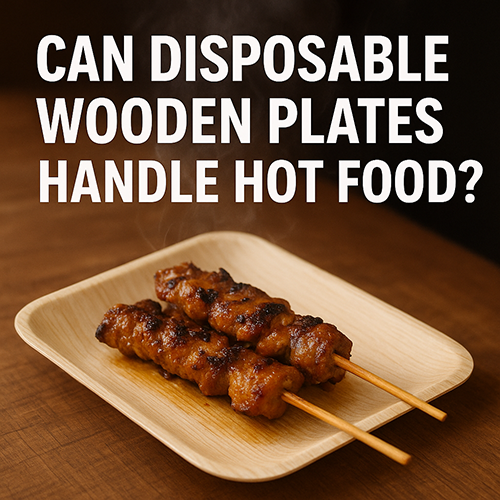
Innovation bridges past flaws. Compression techniques create disposable cutlery from bamboo that shrugs off 180°F heat. Artisanal sanding equips birch blades to slice baguettes cleanly. In contrast to certain plant-starch utensils that sag in hot liquids, these stay solid to the end.
Policy, Brands, and Everyday Adopters Driving Momentum
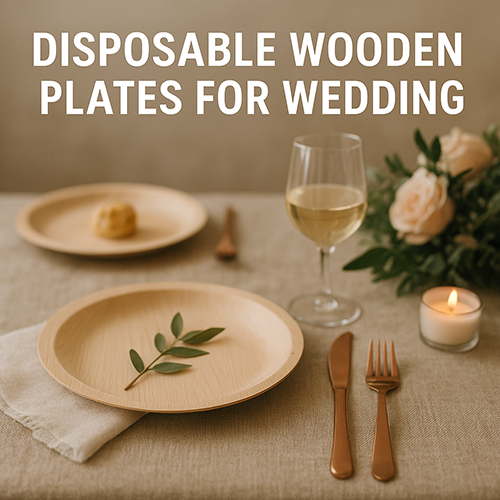
Organic adoption runs deeper. Weekend markets slip bamboo sporks into smoothie cups. Eco-weddings bundle wooden cutlery with cloth wraps and seed-paper invites. Public schools in Oregon and Massachusetts plate meals on poplar trays that kids later feed into campus compost—waste becomes curriculum.
Aviation joins the fray. United Airlines replaced plastic coffee stirrers with thinned-forest disposable cutlery, sparing 28 million plastic items yearly. Emirates trials bamboo sets in business class. The takeaway: green practices can fly at 30,000 feet.
Spotting Substance Amid Marketing Noise
Discernment matters in a crowded field. Prioritize:
- FSC or similar verification for timber origins
- Adhesive-free construction (avoid hidden formaldehydes)
- Polished, shard-free surfaces (manual sanding beats rough tumbling)
- Thermal ratings matched to your dishes (steaming pho versus iced lattes)
Volume purchasers should demand lab-backed compost standards (like ASTM D6400) and durability reports. Top-tier bamboo cutlery and wooden cutlery convey luxury—because genuine craftsmanship delivers it.
Tomorrow in Your Palm
The transformation is underway, tucked inside your burrito wrapper. Each disposable cutlery decision casts a ballot for planetary priorities. Feed the plastic beast, or foster systems that replenish?
When you next peel open a takeout container, linger a moment. That slender birch knife isn’t mere hardware. It’s a subtle rebellion—and a seed of renewal.
At Anhui Nature, we craft these natural treasures from fast-regenerating bamboo fields and responsibly sourced wood, offering bulk bamboo cutlery, wooden cutlery, and disposable cutlery options that cafes, restaurants, and event teams depend on for reliable strength, elegant design, and true eco-friendliness—complete with custom branding, competitive wholesale pricing, and compostable performance that outperforms plastic every time.
Discover Eco-Elegance: Explore Our Bamboo & Wooden Cutlery on hydeeco.com!