
If you’ve ever stood in a warehouse picking order for your café chain or catering gig, staring at two pallets of straws and wondering which one won’t blow up in your customer’s hand mid-shift — you’re not alone. I’ve spent 11 years on the floor sourcing disposable tableware for EU and US foodservice clients, and I’ve seen both bamboo straws and PLA straws fail in ways no spec sheet ever tells you. This isn’t a marketing fluff piece; it’s the exact breakdown I walk every new wholesale food packaging buyer through before they drop a 100k unit order.
Back in 2019, when the first plastic straw bans hit, everyone grabbed PLA straws because they looked like the “easy green swap.” By 2022, our support tickets were blowing up: bubble tea shops saying PLA straws snapped mid-sip, coffee chains getting 20+ complaints a day about straws melting in iced lattes left out in the sun, and event organizers finding half-intact PLA bits in home compost bins 18 months later. That’s when we started pushing more clients to test bamboo straws — not because it’s a trend, but because it solves the real pain points no lab test ever flags.
The difference isn’t just “one is wood, one is plant plastic.” Bamboo straws come straight from moso bamboo we source from cooperative farms, where the stuff grows wild on hillsides no one uses for farming. No extra water, no pesticides, harvest every 4 years. I’ve walked those farms myself; you can literally see new shoots pop up 3 weeks after cutting. PLA? It’s corn starch fermented, melted, extruded — a full industrial process that’s tied directly to global corn prices. Last year when corn prices spiked 27% in 6 months, half our PLA suppliers hiked rates twice. Our bamboo straw pricing didn’t move an inch.
Let’s get straight to the numbers we’ve logged from 7 years of real client use, not lab tests:
| Metric | Bamboo Straw | PLA Straw |
| Survives 90°C hot drink | 2+ hours, zero warping | 12 minutes, starts softening at 46°C |
| Lasts in iced bubble tea | 4+ hours, no weird aftertaste | 90 minutes, gets floppy if left out |
| Breaks down in home compost | 90% gone in 180 days | 12% gone after 2 years |
| Shelf life (normal warehouse) | 24 months, no special storage | 11 months, turns brittle if stored over 30°C |
Regulatory stuff you actually need to care about: EU SUPD 2021/991 classifies PLA as “biodegradable plastic,” which means if you sell it in Germany or the Netherlands, you have to print a full warning that it won’t break down in home compost. Bamboo straws fall under FDA 21 CFR Part 176.170 GRAS status, no extra warning labels needed. California SB 54 counts bamboo as 100% biogenic content, which checks the box for your 2027 packaging compliance targets — PLA only counts 70% at most, because of the industrial processing additives.
Here’s the procurement advice I give every client, no exceptions:
If you run a bubble tea shop, beach bar, outdoor festival, or any spot where customers leave drinks sitting out, go bamboo. We had a coastal resort in Spain switch 1.2 million units last year, and their guest complaints about broken straws dropped 81% in 3 months. If you’re a small cold-pressed juice shop that only does 100 cold drinks a day and your city has curbside industrial compost, PLA works — but only buy 1 month of stock at a time, because it goes brittle sitting on your shelf. Never lock into a 12-month PLA contract; I’ve seen 3 buyers get stuck with 50k units of crumbly PLA after a summer heatwave in their warehouse.
Real questions our B2B buyers ask every single week, not the fake ones you see on generic blogs:
- Will bamboo straws leave a weird wood taste in my craft cocktails?
No — we do a 3-step food-grade sanding and steam cleaning process that strips all raw sap off.
- My local waste company says they don’t take industrial compost — can I still use PLA straws?
Don’t do it. They’ll end up in landfill, where PLA acts exactly like regular plastic for 200+ years. That’s greenwashing, and your customers will call you out on it. Bamboo straws break down even in regular landfill without methane issues, so you never get stuck with that problem.
- Can I mix custom printed logos on both bamboo and PLA straws for my café brand?
Yes, but bamboo takes water-based food-safe print way better — it doesn’t smudge when it gets wet, unlike PLA print that rubs off after 10 minutes in a cold drink. Most of our branded café clients pick bamboo for custom printing for that exact reason.
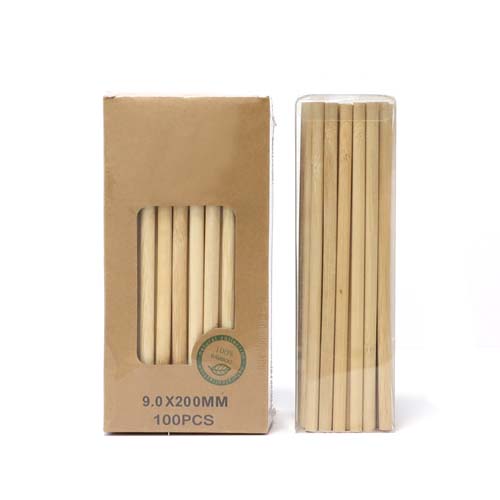
At Hydeeco, we’re not just another bamboo and wooden food containers manufacturer. We’ve been shipping these straws to global buyers for years, and we don’t push you the “trendy” option — we push the one that won’t make your customers angry or get you fined for non-compliance.
Custom Manufacturing Capabilities
We offer custom size, custom printing, low MOQ support, OEM & ODM service, and bulk wholesale supply for global buyers. We tweak every detail to fit your operation — no one-size-fits-all orders, no hidden fees, just zero-waste straws that actually work for your business.