
Disposable bamboo cutlery keeps popping up everywhere as the go-to green option instead of plastic for grab-and-go meals, weddings, office lunches, or street food stalls. It comes from a super-fast-growing grass, gives off this nice earthy vibe, and actually composts way quicker than plastic when it hits the right setup. But let’s be straight—it’s far from perfect. Folks on forums and in reviews keep bringing up the same headaches that pop up in real life. The good news? Newer ways of picking and treating the bamboo have fixed a bunch of the old gripes, so today’s stuff holds up a lot better.
Cost Stands Out More Than Plastic
Ask anyone who’s ordered a ton for a big event, and they’ll tell you straight: disposable bamboo cutlery hits the wallet harder than plain old plastic forks or even those basic birch wood ones. Grab a small pack for home use? The extra bucks might not sting too bad. But when you’re talking cases for a cafe, food truck, or catering gig, the line item jumps out on the bill. Plastic’s dirt cheap thanks to factories churning it out nonstop. Still, a lot of suppliers now offer smarter bulk pricing and cut down on waste in sourcing, so the markup starts feeling fairer when you think about ditching forever-trash and actually helping cut pollution instead of just feeling good about it.
Heat and Moisture Can Still Cause Issues
Bamboo soaks up wetness way more than slick plastic does. Leave a fork in hot pho or greasy takeout for ages, and yeah, it might go a little soft, bend under pressure, or warp just enough to annoy you. Plastic stays stiff in steamy boxes (even if it sometimes lets off weird stuff). For your average quick bite—tossing salad, scooping rice, or cutting a burger—almost nobody runs into trouble. These days, makers pick thicker, tighter bamboo and smooth it out better, so the latest bamboo cutlery shrugs off normal hot or damp food way tougher than the early cheap imports ever did.
Proper Disposal Isn’t Always Easy
Everyone calls it biodegradable or compostable, but it doesn’t vanish fast in regular trash—landfills slow breakdown to years, sometimes with methane release. True benefits need industrial composting or good home setups. If tossed wrong, it’s no greener than mishandled plastic. Better awareness and more composting access have helped, plus some brands guide proper end-of-life to make the eco claim hold up stronger.
Storage Demands a Bit More Care
Plant-based means it can pick up humidity in damp storage, risking mold over long holds if not kept dry. Plastic shrugs off moisture completely. For slower-turnover spots like small cafes, this means choosing cool, sealed areas. Thoughtful packaging from quality makers—moisture-resistant wraps and compact stacks—cuts this risk way down in practice.
Bulk Handling Feels Bulkier
Lightweight yes, but bamboo cutlery doesn’t nest or compress like plastic, so large shipments take more space and sometimes bump shipping costs. Wholesalers feel it most. Streamlined designs and optimized bundles in recent lines ease this logistics nudge.
With the continuous improvement in the quality and user experience of bamboo tableware, many traditional drawbacks have disappeared, allowing its natural strength, appearance, and biodegradability to be fully displayed, meeting the needs of single use without incurring too much trouble.
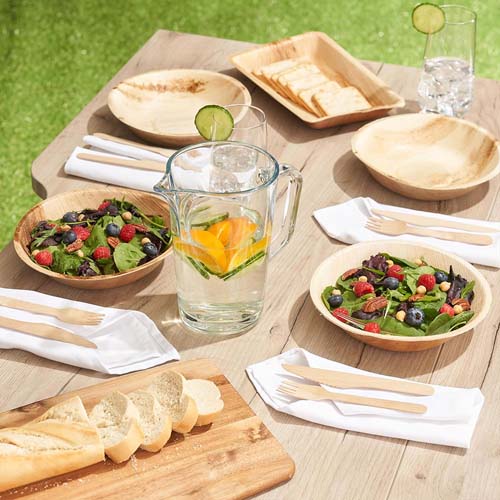
If you’re exploring solid disposable bamboo cutlery that tackles these points head-on, Hydeeco focuses on well-made options. We offer customization—like engravings, sizes, or packaging tweaks—for events or brands. Drop a note if you want details on tailored sets!