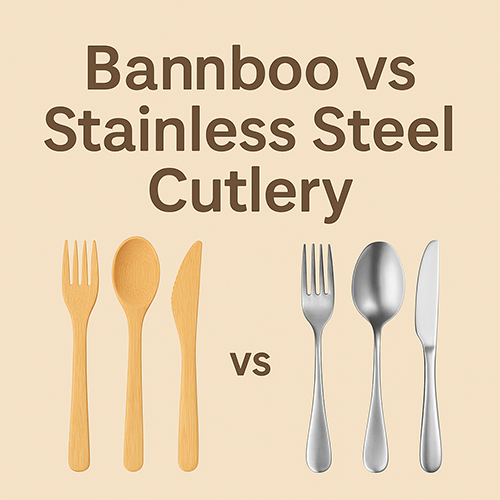

Step into a bamboo forest at dawn, where the air feels sharp and the ground hums with life. Those towering green poles aren’t trees but a grass that can shoot up a full meter in a single night during spring. After five patient years, the strongest stalks are ready to transform into sleek, unbreakable plates that grace dining tables from cozy kitchens to luxury resorts.
Timing the Harvest Perfectly
Farmers wait until the poles are between 4–6 years old. Too young and the material bends like green wood; too old and it splinters. They saw just the lower section, leaving the crown alive so the root network throws up new shoots within weeks. One healthy clump can be selectively cut every year for a century with zero soil depletion.
Turning Giant Tubes into Workable Strips
Fresh poles arrive at the mill still dripping sap. Skilled splitters whack them open along the grain with froe-like blades, then peel away the glossy outer layer and shave the raised knuckles flat. The result is stacks of creamy-yellow ribbons that flex like thin leather.
Removing Hidden Dangers with Heat
The strips are loosely tied and plunged into vast steel vats of steaming water, held at 94–97 °C. Over 6–8 hours, the heat strips away natural sugars and starches that could attract pests years down the line. When lifted out, the bamboo glows a rich toffee shade, and the workshop carries a warm, almost malty aroma.
Grinding Down to Dust
Workers spread the steamed strips on wide bamboo mats beneath simple tin-roofed shelters. After three to five days of mountain breeze, the strips turn crisp and ring when knocked together. They’re then run through a series of rollers and flakers until they become a fine, fluffy powder—pale gold, almost weightless, and still carrying a faint grassy sweetness. In smaller family mills you can still watch grandfathers operate water-wheel stone grinders that haven’t changed in fifty years.
Just Enough to Hold It Together
For every 20 handfuls of bamboo powder, we add just one handful of binder. Our classic range uses a trace of food-safe melamine resin; our newest eco-line relies on resin extracted from cassava roots. The mix clumps like slightly wet oatmeal and smells of faintly roasted barley.
28 Seconds Under Crushing Pressure
A precise scoop of the blend drops into gleaming molds. The press closes with a hydraulic sigh, hitting 400 tons and 155 °C. Less than half a minute later it releases a bowl so smooth it reflects the factory lights like glass.
Hand-Finishing That Makes the Difference
Robotic arms trim flashing, but real hands do the sanding—six progressive belts from coarse to ultra-fine, followed by a buffing wheel and natural carnauba wax. That’s why the final piece feels warm and slightly soft instead of cold and plastic.
Safety Checks That Never Sleep
Before a single container leaves the factory, independent technicians arrive without warning. They grab pieces straight from the cooling racks and subject them to extreme tests: simmering in acidic solutions, baking at high heat, even repeated microwave cycles. Your logo only goes on after every test result returns perfect for FDA, LFGB, REACH, and California standards.
Quick Real-World Comparison
Same 20 cm dinner plate:
- Fine porcelain ≈ 550 g, breaks on tile floors, 1200+ kWh per 1000 pieces
- Standard melamine ≈ 280 g, scratches after 200 washes
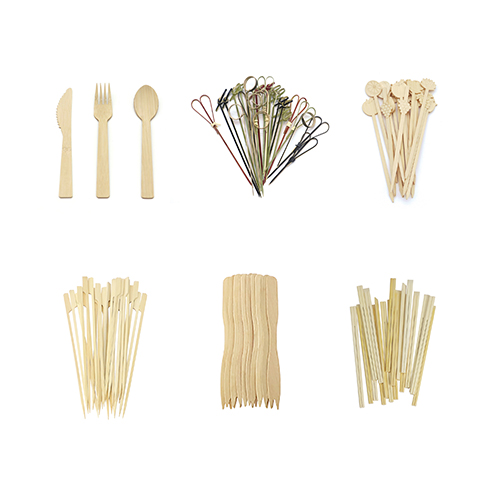
- Hydeeco bamboo cutlery ≈ 195 g, survives 1.5 m drops, 380 kWh per 1000 pieces, still flawless after 1500 dishwasher cycles.
Want tableware that tells your sustainability story without saying a word? At Hydeeco we handle full OEM/ODM projects: private-label shapes, custom edge profiles, exact Pantone colors, recessed or raised logos, FSC-certified gift boxes—whatever your buyers expect. Reach our B2B team at sales08@cnhyde.com and let’s build the collection your customers will keep for decades.