
Across professional catering setups and outdoor food events, disposable wooden plates have become a common choice for serving high-temperature dishes. Whether chefs are handling grilled proteins, freshly cooked vegetables, or hot, oily street-food portions, these plates consistently maintain their structure without softening or deforming. Their ability to manage thermal load reliably is the main reason they are now widely adopted in commercial service environments—and also why many users continue to ask whether wooden plates are genuinely engineered to handle direct contact with very hot foods.
What Actually Happens When Heat Meets Wood
Wood is one of nature’s original slow-cookers. Millions of tiny air-filled cells act like microscopic shock absorbers for heat. Instead of conducting temperature instantly like metal or plastic, wood lets it creep in gradually. The side touching your food can be 95 °C while the side against your fingers barely hits 50 °C. This is the same reason thin wooden bowls have carried boiling miso soup in Kyoto teahouses and steaming reindeer stew in Lapland cabins for centuries. Modern disposable plates are just the ultra-light, single-use descendants of that ancient trick.
How Hot Is Too Hot?
Real-life thresholds you can trust at any stall or party:
- Up to 80 °C (176 °F): Zero stress — freshly fried spring rolls, grilled corn, bubbling mapo tofu.
- 80–100 °C (176–212 °F): Built for the whole meal — steaming pho, tteokbokki, ribs fresh off the smoker.
- 110 °C+ (230 °F+) in direct, prolonged contact: Now you’re asking for trouble — food scraped off a screaming-hot teppanyaki plate or straight from a 450 °F oven can soften the wood and occasionally leave faint char lines.
Quick reminder: soupy, steamy dishes are usually the bigger threat than dry heat at the same temperature.
Practical Ways to Make Them Last Through the Meal
- Cool super-hot foods for a quick 1–2 minutes post-cook.
- Stack with a liner for extra protection against drips.
- Source plates from sustainable forests; they’re compostable after one use, unlike forever-plastics.
- Go for thicker gauges (around 2–3mm) in hardwoods — they hold up better to warmth than thin bamboo alternatives.
Wrapping It Up
Disposable wooden plates are a green win for hot food serving: safe, stylish, and planet-kind when temperatures stay in the serving sweet spot. Stop second-guessing and serve with confidence.
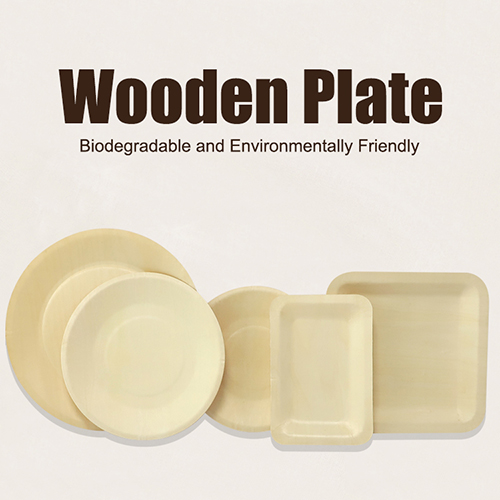
At Hydeeco, our disposable wooden plates are made from FSC-certified birch that shrugs off 100 °C without breaking a sweat—perfect for night markets, beach weddings, or your next big backyard feast. Real sustainability that actually works. Check us out at hydeeco.com and ditch plastic for good.